Articles | Volume 38, issue 2
https://doi.org/10.5194/ejm-38-135-2026
© Author(s) 2026. This work is distributed under
the Creative Commons Attribution 4.0 License.
the Creative Commons Attribution 4.0 License.
https://doi.org/10.5194/ejm-38-135-2026
© Author(s) 2026. This work is distributed under
the Creative Commons Attribution 4.0 License.
the Creative Commons Attribution 4.0 License.
Research article
| 
23 Mar 2026
Research article |
| 23 Mar 2026
| 23 Mar 2026
Mackinawite transformation into greigite at room temperature under anoxic and acidic conditions: a corrosion pathway?
Pierre Le Pape
CORRESPONDING AUTHOR
Institut de Minéralogie, de Physique des Matériaux et de Cosmochimie (IMPMC), UMR 7590 CNRS-Sorbonne Université-IRD-MNHN, case 115, 4 place Jussieu, 75252 Paris CEDEX 5, France
Benoît Baptiste
Institut de Minéralogie, de Physique des Matériaux et de Cosmochimie (IMPMC), UMR 7590 CNRS-Sorbonne Université-IRD-MNHN, case 115, 4 place Jussieu, 75252 Paris CEDEX 5, France
Guillaume Radtke
Institut de Minéralogie, de Physique des Matériaux et de Cosmochimie (IMPMC), UMR 7590 CNRS-Sorbonne Université-IRD-MNHN, case 115, 4 place Jussieu, 75252 Paris CEDEX 5, France
Delphine Cabaret
Institut de Minéralogie, de Physique des Matériaux et de Cosmochimie (IMPMC), UMR 7590 CNRS-Sorbonne Université-IRD-MNHN, case 115, 4 place Jussieu, 75252 Paris CEDEX 5, France
Julie Aufort
Institut de Minéralogie, de Physique des Matériaux et de Cosmochimie (IMPMC), UMR 7590 CNRS-Sorbonne Université-IRD-MNHN, case 115, 4 place Jussieu, 75252 Paris CEDEX 5, France
Jessica Brest
Institut de Minéralogie, de Physique des Matériaux et de Cosmochimie (IMPMC), UMR 7590 CNRS-Sorbonne Université-IRD-MNHN, case 115, 4 place Jussieu, 75252 Paris CEDEX 5, France
Camille Baya
Institut de Minéralogie, de Physique des Matériaux et de Cosmochimie (IMPMC), UMR 7590 CNRS-Sorbonne Université-IRD-MNHN, case 115, 4 place Jussieu, 75252 Paris CEDEX 5, France
Erik Elkaim
Synchrotron SOLEIL, 91192 Gif Sur Yvette, France
Georges Ona-Nguema
Institut de Minéralogie, de Physique des Matériaux et de Cosmochimie (IMPMC), UMR 7590 CNRS-Sorbonne Université-IRD-MNHN, case 115, 4 place Jussieu, 75252 Paris CEDEX 5, France
Farid Juillot
Institut de Minéralogie, de Physique des Matériaux et de Cosmochimie (IMPMC), UMR 7590 CNRS-Sorbonne Université-IRD-MNHN, case 115, 4 place Jussieu, 75252 Paris CEDEX 5, France
Guillaume Morin
Institut de Minéralogie, de Physique des Matériaux et de Cosmochimie (IMPMC), UMR 7590 CNRS-Sorbonne Université-IRD-MNHN, case 115, 4 place Jussieu, 75252 Paris CEDEX 5, France
Related authors
No articles found.
Quentin Bollaert, Mathieu Chassé, Guillaume Morin, Benoît Baptiste, Alexandra Courtin, Laurence Galoisy, Gautier Landrot, Cécile Quantin, and Georges Calas
Eur. J. Mineral., 36, 55–72, https://doi.org/10.5194/ejm-36-55-2024, https://doi.org/10.5194/ejm-36-55-2024, 2024
Short summary
Short summary
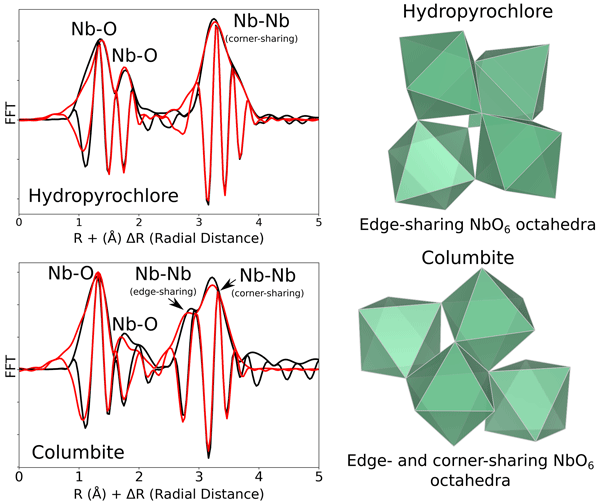
X-ray absorption spectroscopy (XAS) was successfully used to investigate the atomic-scale environment of niobium (Nb) in ore minerals and Nb-doped compounds of technological importance. The demonstrated sensitivity of this technique to Nb minerals could help decipher Nb speciation in mining contexts such as hydrothermal and lateritic deposits and rationalize the origin of the enhanced physico-chemical properties of Nb-doped materials.
Benoît Dubacq, Guillaume Bonnet, Manon Warembourg, and Benoît Baptiste
Eur. J. Mineral., 35, 831–844, https://doi.org/10.5194/ejm-35-831-2023, https://doi.org/10.5194/ejm-35-831-2023, 2023
Short summary
Short summary
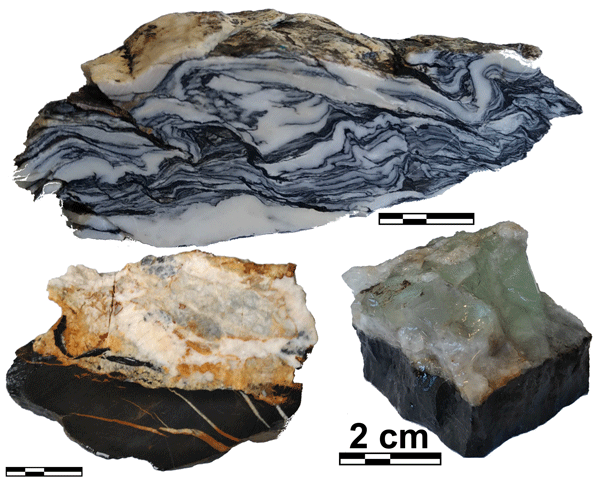
Minerals in a vein network from the Aravis limestone (Haute-Savoie, France) include carbonates, quartz, fluorite and phyllosilicates, crystallized at around 7 km depth and 190 °C. The mineralogy has been studied with emphasis on the chlorite types: chamosite (iron-rich), cookeite (lithium-rich) and sudoite. The presence of the three chlorite types sheds light on their phase diagrams, and observed cationic substitutions confirm the need for more systematic measurement of lithium in chlorite.
Karina P. P. Marques, Thierry Allard, Cécile Gautheron, Benoît Baptiste, Rosella Pinna-Jamme, Guillaume Morin, Ludovic Delbes, and Pablo Vidal-Torrado
Eur. J. Mineral., 35, 383–395, https://doi.org/10.5194/ejm-35-383-2023, https://doi.org/10.5194/ejm-35-383-2023, 2023
Short summary
Short summary
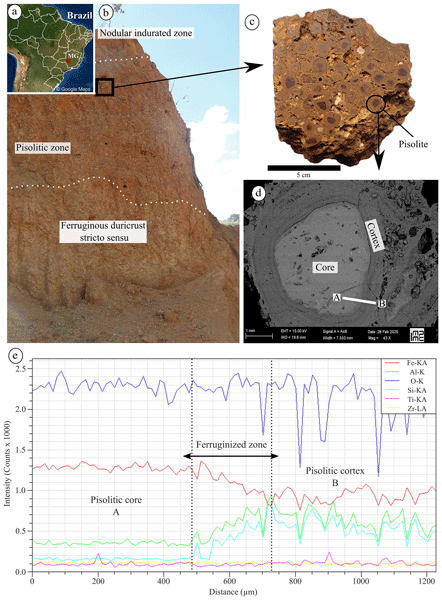
We proposed a new non-destructive mineralogical methodology on sub-millimeter grains that allows us to quantify the hematite and goethite content and hematite / goethite ratio of grains prior to (U–Th) / He geochronological analysis. (U–Th) / He data performed on different aliquots with different acquisition times show no remarkable differences in age, opening a new way to investigate the (U–Th) / He data evolution in supergene lateritic duricrusts.
Etienne Balan, Guillaume Radtke, Chloé Fourdrin, Lorenzo Paulatto, Heinrich A. Horn, and Yves Fuchs
Eur. J. Mineral., 35, 105–116, https://doi.org/10.5194/ejm-35-105-2023, https://doi.org/10.5194/ejm-35-105-2023, 2023
Short summary
Short summary
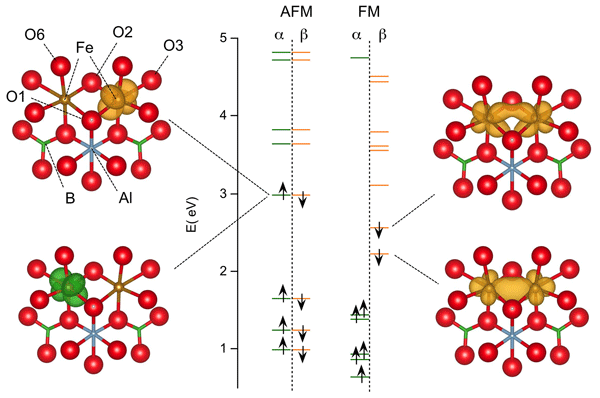
Assignment of OH-stretching bands to specific atomic-scale environments in tourmaline is still debated, which motivates detailed theoretical studies of their vibrational properties. We have theoretically investigated the OH-stretching spectrum of foitite, showing that specific OH bands observed in the vibrational spectra of iron-rich and Na-deficient tourmalines are affected by the magnetic configuration of iron ions and X-site vacancy ordering.
Etienne Balan, Lorenzo Paulatto, Qianyu Deng, Keevin Béneut, Maxime Guillaumet, and Benoît Baptiste
Eur. J. Mineral., 34, 627–643, https://doi.org/10.5194/ejm-34-627-2022, https://doi.org/10.5194/ejm-34-627-2022, 2022
Short summary
Short summary
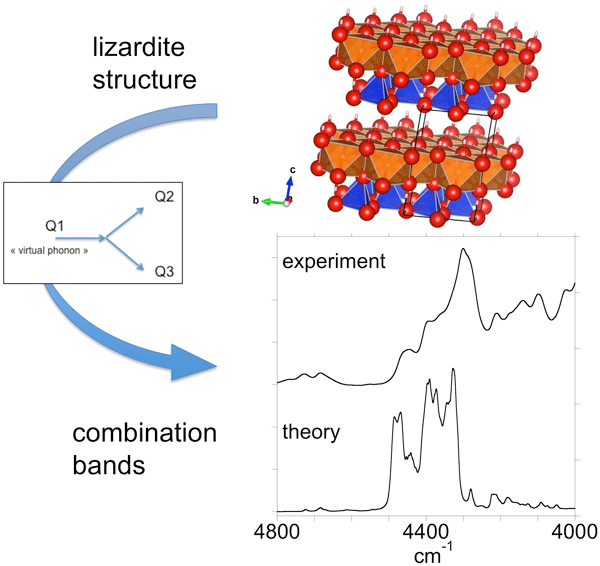
The near-infrared spectra of hydrous minerals involve OH stretching vibrations, but their interpretation is not straightforward due to anharmonicity and vibrational coupling. We analyze the spectra of well-ordered samples of talc, brucite and lizardite to better assess the various factors contributing to the absorption bands. The results clarify the relations between the overtone spectra and their fundamental counterparts and provide a sound interpretation of the two-phonon combination bands.
Karina Patricia Prazeres Marques, Thierry Allard, Cécile Gautheron, Benoît Baptiste, Rosella Pinna-Jamme, Guillaume Morin, Ludovic Delbes, and Pablo Vidal-Torrado
Geochronology Discuss., https://doi.org/10.5194/gchron-2022-9, https://doi.org/10.5194/gchron-2022-9, 2022
Preprint withdrawn
Short summary
Short summary
We proposed a new non-destructive mineralogical methodology on inframilimetric grains that allows to quantify the hematite and goethite content and hematite/goethite ratio of grains prior to (U-Th)/He geochronological analysis. (U-Th)/He data performed on different aliquots with different acquisition time shows no remarkable differences in age, opening a new way to investigate the (U-Th)/He data evolution in supergene lateritic duricrusts.
Emmanuel Fritsch, Etienne Balan, Sabine Petit, and Farid Juillot
Eur. J. Mineral., 33, 743–763, https://doi.org/10.5194/ejm-33-743-2021, https://doi.org/10.5194/ejm-33-743-2021, 2021
Short summary
Short summary
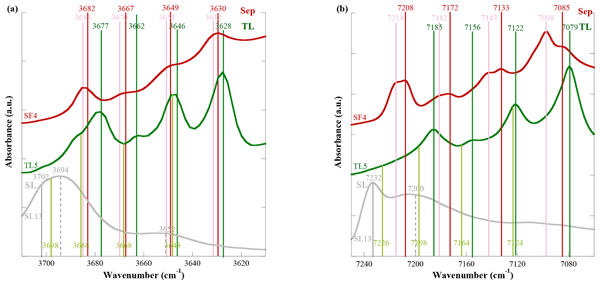
The study presents and discusses mid- and near-infrared spectra of three Mg–Ni mineral series (serpentine-like and talc-like minerals, sepiolite) commonly found in reactivated faults and sequences of clay infillings of the New Caledonian Ni-silicate deposits. This spectroscopic study sheds light on the nature of the residual mineral phases found in the clay infillings (serpentine-like minerals) and reveals the aptitude of the newly formed minerals (talc-like minerals and sepiolite) to store Ni.
Etienne Balan, Emmanuel Fritsch, Guillaume Radtke, Lorenzo Paulatto, Farid Juillot, Fabien Baron, and Sabine Petit
Eur. J. Mineral., 33, 647–657, https://doi.org/10.5194/ejm-33-647-2021, https://doi.org/10.5194/ejm-33-647-2021, 2021
Short summary
Short summary
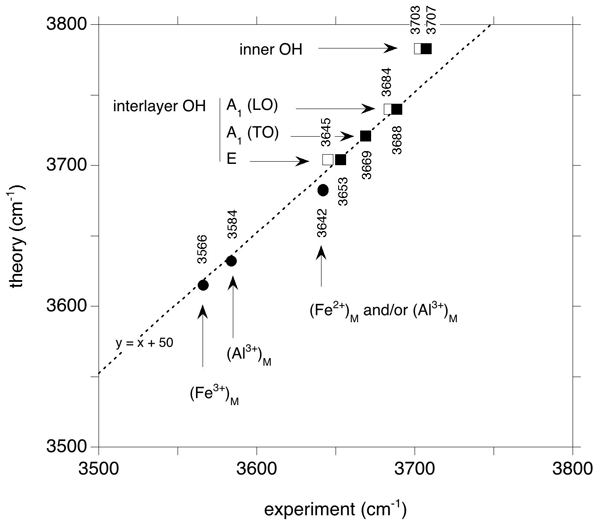
Interpretation of vibrational spectra of serpentines is complexified by the common occurrence of divalent and trivalent cationic impurities at tetrahedral and octahedral sites. We theoretically investigate the effect of Fe and Al on the vibrational properties of lizardite, focusing on the OH stretching modes. The results allow us to disentangle the specific effects related to the valence and coordination states of the impurities, supporting a detailed interpretation of the experimental spectra.
Emmanuel Fritsch, Etienne Balan, Sabine Petit, and Farid Juillot
Eur. J. Mineral., 33, 447–462, https://doi.org/10.5194/ejm-33-447-2021, https://doi.org/10.5194/ejm-33-447-2021, 2021
Short summary
Short summary
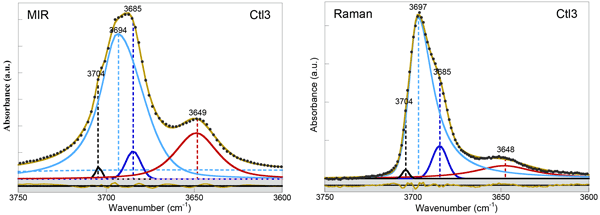
The study provides new insights into the OH stretching vibrations of serpentine species (lizardite, chrysotile, antigorite) encountered in veins of peridotite. A combination of infrared spectroscopy in the mid-infrared and near-infrared ranges and Raman spectroscopy enabled us to interpret most of the observed bands in the fundamental and first overtone regions of the spectra and to propose consistent spectral decomposition and assignment of the OH stretching bands for the serpentine species.
Etienne Balan, Emmanuel Fritsch, Guillaume Radtke, Lorenzo Paulatto, Farid Juillot, and Sabine Petit
Eur. J. Mineral., 33, 389–400, https://doi.org/10.5194/ejm-33-389-2021, https://doi.org/10.5194/ejm-33-389-2021, 2021
Short summary
Short summary
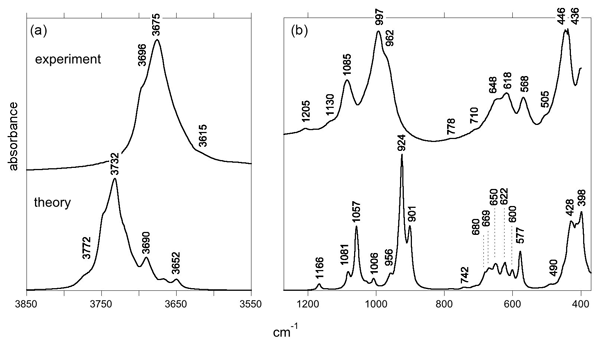
The infrared absorption spectrum of an antigorite sample, an important serpentine-group mineral, is compared to its theoretical counterpart computed at the density functional level. The model reproduces most of the observed bands, supporting their assignment to specific vibrational modes. The results provide robust interpretations of the significant differences observed between the antigorite spectrum and that of lizardite, the more symmetric serpentine variety.
Etienne Balan, Emmanuel Fritsch, Farid Juillot, Thierry Allard, and Sabine Petit
Eur. J. Mineral., 33, 209–220, https://doi.org/10.5194/ejm-33-209-2021, https://doi.org/10.5194/ejm-33-209-2021, 2021
Short summary
Short summary
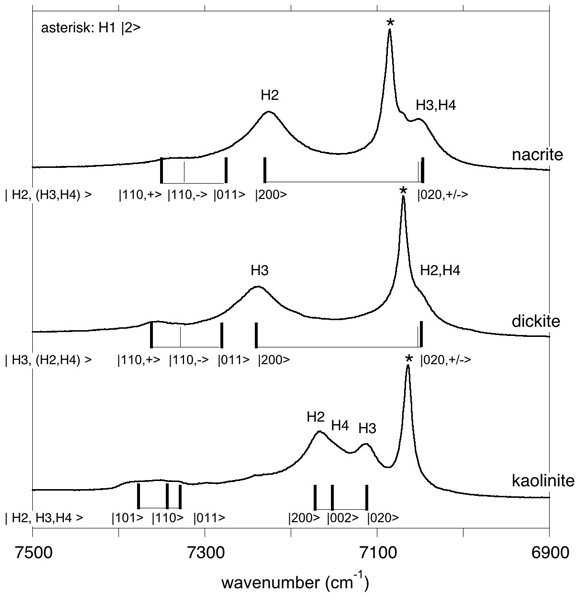
The OH overtone bands of kaolinite- and serpentine-group minerals observed in their near-infrared (NIR) spectra are widely used but their relation to stretching modes involving coupled OH groups is uncertain. Here, we map a molecular model of harmonically coupled anharmonic oscillators on the spectroscopic properties of 1:1 phyllosilicates. This makes it possible to interpret most of the observed bands and support the assignment of some of them to cationic substitutions in serpentines.
Cited articles
Arrio, M.-A., Rossano, S., Brouder, Ch., Galoisy, L., and Calas, G.: Calculation of multipole transitions at the Fe K pre-edge through p-d hybridization in the Ligand Field Multiplet model, Europhys. Lett., 51, 454, https://doi.org/10.1209/epl/i2000-00515-8, 2000.
Bai, P., Zheng, S., Chen, C., and Zhao, H.: Investigation of the iron-sulfide phase transformation in nanoscale, Cryst. Growth Des., 14, 4295–4302, https://doi.org/10.1021/cg500333p, 2014.
Baya, C., Le Pape, P., Baptiste, B., Brest, J., Landrot, G., Elkaim, E., Noël, V., Blanchard, M., Ona-Nguema, G., Juillot, F., and Morin, G.: Influence of trace level As or Ni on pyrite formation kinetics at low temperature, Geochim. Cosmochim. Acta, 300, 333–353, https://doi.org/10.1016/j.gca.2021.01.042, 2021.
Benning, L. G., Wilkin, R. T., and Barnes, H. L.: Reaction pathways in the Fe-S system below 100 °C, Chem. Geol., 167, 25–51, https://doi.org/10.1016/S0009-2541(99)00198-9, 2000.
Berar, J. F. and Baldinozzi, G.: XND code: From X-ray laboratory data to incommensurately modulated phases. Rietveld modeling of complex materials, CPD Newsletter, 20, 3–5, 1998.
Berner, R. A.: Sedimentary pyrite formation, Am. J. Sci., 268, 1 LP – 23, https://doi.org/10.2475/ajs.268.1.1, 1970.
Berner, R. A.: Sedimentary pyrite formation: An update, Geochim. Cosmochim. Acta, 48, 605–615, https://doi.org/10.1016/0016-7037(84)90089-9, 1984.
Beverskog, B. and Puidomenech, I.: Revised pourbaix diagrams for iron at 25–300 °C, Corrosion Science, 38, 2121–2135, 1996.
Bourdelle, F., Mosser-Ruck, R., Truche, L., Lorgeoux, C., Pignatelli, I., and Michau, N.: A new view on iron-claystone interactions under hydrothermal conditions (90 °C) by monitoring in situ pH evolution and H2 generation, Chem. Geol., 466, 600–607, https://doi.org/10.1016/j.chemgeo.2017.07.009, 2017.
Bourdoiseau, J. A., Jeannin, M., Rémazeilles, C., Sabot, R., and Refait, P.: The transformation of mackinawite into greigite studied by Raman spectroscopy, J. Raman Spectrosc., 42, 496–504, https://doi.org/10.1002/jrs.2729, 2011.
Boursiquot, S., Mullet, M., Abdelmoula, M., Génin, J. M., and Ehrhardt, J. J.: The dry oxidation of tetragonal FeS1-x mackinawite, Phys. Chem. Miner., 28, 600–611, https://doi.org/10.1007/s002690100193, 2001.
Brgoch, J. and Miller, G. J.: Validation of Interstitial Iron and Consequences of Nonstoichiometry in Mackinawite (Fe 1+x S), https://doi.org/10.1021/jp206992z, 2012.
Bunău, O. and Calandra, M.: Projector augmented wave calculation of x-ray absorption spectra at the 2,3 edges, Phys. Rev. B, 87, 205105, https://doi.org/10.1103/PhysRevB.87.205105, 2013.
Cabán-Acevedo, M., Kaiser, N. S., English, C. R., Liang, D., Thompson, B. J., Chen, H. E., Czech, K. J., Wright, J. C., Hamers, R. J., and Jin, S.: Ionization of high-density deep donor defect states explains the low photovoltage of iron pyrite single crystals, J. Am. Chem. Soc., 136, 17163–17179, https://doi.org/10.1021/ja509142w, 2014.
Cheng, D., Neumann, A., Yuan, S., Liao, W., and Qian, A.: Oxidative Degradation of Organic Contaminants by FeS in the Presence of O2, Environ. Sci. Technol., 54, 4091–4101, https://doi.org/10.1021/acs.est.9b07012, 2020.
Cornwell, J. C. and Morse, J. W.: The characterization of iron sulfide minerals in anoxic marine sediments, Mar. Chem., 22, 193–206, https://doi.org/10.1016/0304-4203(87)90008-9, 1987.
Csákberényi-Malasics, D., Rodriguez-Blanco, J. D., Kis, V. K., Rečnik, A., Benning, L. G., and Pósfai, M.: Structural properties and transformations of precipitated FeS, Chem. Geol., 294–295, 249–258, https://doi.org/10.1016/j.chemgeo.2011.12.009, 2012.
Dal Corso, A.: Pseudopotentials periodic table: From H to Pu, Computational Materials Science, 95, 337–350, 2014.
de Clermont Gallerande, E., Cabaret, D., Lelong, G., Brouder, C., Attaiaa, M.-B., Paulatto, L., Gilmore, K., Sahle, C. J., and Radtke, G.: First-principles modeling of x-ray Raman scattering spectra, Phys. Rev. B, 98, 214104, https://doi.org/10.1103/PhysRevB.98.214104, 2018.
Dzade, N. Y., Roldan, A., and de Leeuw, N. H.: Activation and dissociation of CO2 on the (001), (011), and (111) surfaces of mackinawite (FeS): A dispersion-corrected DFT study, J. Chem. Phys., 143, 94703, https://doi.org/10.1063/1.4929470, 2015.
Egami, T. and Billinge, S. J.: Underneath the Bragg peaks: structural analysis of complex materials, vol. 16, Elsevier, Hardback ISBN 9780080971339, eBook ISBN 9780080971414, 2003.
Emmings, J. F., Poulton, S. W., Walsh, J., Leeming, K. A., Ross, I., and Peters, S. E.: Pyrite mega-analysis reveals modes of anoxia through geological time, Sci. Adv., 8, 1–16, https://doi.org/10.1126/sciadv.abj5687, 2022.
Evans, U. R. and Wanklyn, J. N.: Evolution of Hydrogen from Ferrous Hydroxide, Nature 3, 27–28, https://doi.org/10.1038/162027b0, 1948.
Farrell, S. P., Fleet, M. E., Stekhin, I. E., Kravtsova, A., Soldatov, A. V, and Liu, X.: Evolution of local electronic structure in alabandite and niningerite solid solutions [(Mn,Fe)S, (Mg,Mn)S, (Mg,Fe)S] using sulfur K- and L-edge XANES spectroscopy, Am. Mineral., 87, 1321–1332, https://doi.org/10.2138/am-2002-1007, 2002.
Farrow, C. L. and Billinge, S. J.: Relationship between the atomic pair distribution function and small-angle scattering: implications for modeling of nanoparticles, Acta Crystallogr. A, 65, 232–239, https://doi.org/10.1107/S0108767309009714, 2009.
Farrow, C. L., Juhas, P., Liu, J. W., Bryndin, D., Božin, E. S., Bloch, J., Proffen, T., and Billinge, S. J. L.: PDFfit2 and PDFgui: computer programs for studying nanostructure in crystals, J. Phys. Condens. Matter, 19, 335219, https://doi.org/10.1088/0953-8984/19/33/335219, 2007.
Filip, J., Karlický, F., Marušák, Z., Lazar, P., Černík, M., Otyepka, M., and Zbořil, R.: Anaerobic Reaction of Nanoscale Zerovalent Iron with Water: Mechanism and Kinetics, J. Phys. Chem. C, 118, 13817–13825, https://doi.org/10.1021/jp501846f, 2014.
Garrity, K. F., Bennett, J. W., Rabe, K. M., and Vanderbilt, D.: Pseudopotentials for high-throughput DFT calculations, Comput. Mater. Sci., 81, 446–452, https://doi.org/10.1016/j.commatsci.2013.08.053, 2014.
Giannozzi, P., Andreussi, O., Brumme, T., Bunau, O., Buongiorno Nardelli, M., Calandra, M., Car, R., Cavazzoni, C., Ceresoli, D., Cococcioni, M., Colonna, N., Carnimeo, I., Dal Corso, A., de Gironcoli, S., Delugas, P., DiStasio, R. A., Ferretti, A., Floris, A., Fratesi, G., Fugallo, G., Gebauer, R., Gerstmann, U., Giustino, F., Gorni, T., Jia, J., Kawamura, M., Ko, H.-Y., Kokalj, A., Küçükbenli, E., Lazzeri, M., Marsili, M., Marzari, N., Mauri, F., Nguyen, N. L., Nguyen, H.-V., Otero-de-la-Roza, A., Paulatto, L., Poncé, S., Rocca, D., Sabatini, R., Santra, B., Schlipf, M., Seitsonen, A. P., Smogunov, A., Timrov, I., Thonhauser, T., Umari, P., Vast, N., Wu, X., and Baroni, S.: Advanced capabilities for materials modelling with Quantum ESPRESSO, J. Phys. Condens. Matter, 29, 465901, https://doi.org/10.1088/1361-648X/aa8f79, 2017.
Gorlas, A., Mariotte, T., Morey, L., Truong, C., Bernard, S., Guigner, J.-M., Oberto, J., Baudin, F., Landrot, G., Baya, C., Le Pape, P., Morin, G., Forterre, P., and Guyot, F.: Precipitation of greigite and pyrite induced by Thermococcales: an advantage to live in Fe- and S-rich environments?, Environ Microbiol, 24, 626–642, https://doi.org/10.1111/1462-2920.15915, 2022.
Gougoussis, C., Calandra, M., Seitsonen, A. P., and Mauri, F.: First-principles calculations of x-ray absorption in a scheme based on ultrasoft pseudopotentials: From -quartz to high-T compounds, Phys. Rev. B, 80, 75102, https://doi.org/10.1103/PhysRevB.80.075102, 2009.
Hunger, S. and Benning, L. G.: Greigite: A true intermediate on the polysulfide pathway to pyrite, Geochem. Trans., 8, 1–20, https://doi.org/10.1186/1467-4866-8-1, 2007.
Ikogou, M., Ona-Nguema, G., Juillot, F., Le Pape, P., Menguy, N., Richeux, N., Guigner, J.-M., Noel, V., Brest, J., Baptiste, B., and Morin, G.: Long-term sequestration of nickel in mackinawite formed by Desulfovibrio capillatus upon Fe(III)-citrate reduction in the rpesence of thiosulfate, App. Geochem., 80, 143–154, https://doi.org/10.1016/j.apgeochem.2017.02.019, 2017.
Jeong, H. Y., Lee, J. H., and Hayes, K. F.: Characterization of synthetic nanocrystalline mackinawite: Crystal structure, particle size, and specific surface area, Geochim. Cosmochim. Acta, 72, 493–505, https://doi.org/10.1016/j.gca.2007.11.008, 2008.
Juhás, P., Davis, T., Farrow, C. L., and Billinge, S. J. L.: PDFgetX3: a rapid and highly automatable program for processing powder diffraction data into total scattering pair distribution functions, J. Appl. Crystallogr., 46, 560–566, https://doi.org/10.1107/S0021889813005190, 2013.
Koonin, E. V. and Martin, W.: On the origin of genomes and cells within inorganic compartments, Trends Genet., 21, 647–654, https://doi.org/10.1016/j.tig.2005.09.006, 2005.
Kwon, K. D., Refson, K., Bone, S., Qiao, R., Yang, W., Liu, Z., and Sposito, G.: Magnetic ordering in tetragonal FeS: Evidence for strong itinerant spin fluctuations, Phys. Rev. B, 83, 64402, https://doi.org/10.1103/PhysRevB.83.064402, 2011.
Lacroix, E. M., Aeppli, M., Boye, K., Brodie, E., Fendorf, S., Keiluweit, M., Naughton, H. R., Noël, V., and Sihi, D.: Consider the Anoxic Microsite: Acknowledging and Appreciating Spatiotemporal Redox Heterogeneity in Soils and Sediments, ACS Earth Sp. Chem., 7, 1592–1609, https://doi.org/10.1021/acsearthspacechem.3c00032, 2023.
Lantenois, S., Lanson, B., Muller, F., Bauer, A., Jullien, M., and Plançon, A.: Experimental study of smectite interaction with metal fe at low temperature: 1. smectite destabilization, Clays Clay Miner., 53, 597–612, https://doi.org/10.1346/CCMN.2005.0530606, 2005.
Lelong, G., Radtke, G., Cormier, L., Bricha, H., Rueff, J.-P., Ablett, J. M., Cabaret, D., Gélébart, F., and Shukla, A.: Detecting Non-bridging Oxygens: Non-Resonant Inelastic X-ray Scattering in Crystalline Lithium Borates, Inorg. Chem., 53, 10903–10908, https://doi.org/10.1021/ic501730q, 2014.
Lennie, A. R., Redfern, S. A. T., Schofield, P. F., and Vaughan, D. J.: Synthesis and Rietveld crystal structure refinement of mackinawite, tetragonal FeS, Mineralogical Mag., 59, 677–683, https://doi.org/10.1180/minmag.1995.059.397.10, 1995.
Lennie, A. R., Redfern, S. A. T., Champness, P. E., Stoddart, C. P., Schofield, P. F., and Vaughan, D. J.: Transformation of mackinawite to greigite: An in situ X-ray powder diffraction and transmission electron microscope study, Am. Mineral., 82, 302–309, https://doi.org/10.2138/am-1997-3-408, 1997.
Lin, M.-Y., Chen, Y.-H., Lee, J.-J., and Sheu, H.-S.: Reaction pathways of iron-sulfide mineral formation: an in situ X-ray diffraction study, Eur. J. Mineral., 30, 77–84, https://doi.org/10.1127/ejm/2017/0029-2681, 2018.
Ma, M., Zhang, Y., Guo Z., and Ning, Gu.: Facile synthesis of ultrathin magnetic iron oxide nanoplates by Schikorr reaction, Nanoscale Research Letters, 8, 16, https://doi.org/10.1186/1556-276X-8-16, 2013.
Matamoros-Veloza, A., Cespedes, O., Johnson, B. R. G., Stawski, T. M., Terranova, U., de Leeuw, N. H., and Benning, L. G.: A highly reactive precursor in the iron sulfide system, Nat. Commun., 9, https://doi.org/10.1038/s41467-018-05493-x, 2018a.
Matamoros-Veloza, A., Stawski, T. M., and Benning, L. G.: Nanoparticle Assembly Leads to Mackinawite Formation, Cryst. Growth Des., 18, 6757–6764, https://doi.org/10.1021/acs.cgd.8b01025, 2018b.
Michel, F. M., Antao, S. M., Chupas, P. J., Lee, P. L., Parise, J. B., and Schoonen, M. A. A.: Short- To medium-range atomic order and crystallite size of the initial FeS precipitate from pair distribution function analysis, Chem. Mater., 17, 6246–6255, https://doi.org/10.1021/cm050886b, 2005.
Mielke, R. E., Robinson, K. J., White, L. M., McGlynn, S. E., McEachern, K., Bhartia, R., Kanik, I., and Russell, M. J.: Iron-sulfide-bearing chimneys as potential catalytic energy traps at life's emergence, Astrobiology, 11, 933–950, https://doi.org/10.1089/ast.2011.0667, 2011.
Mukherjee, I., Large, R. R., Bull, S., Gregory, D. G., Stepanov, A. S., Ávila, J., Ireland, T. R., and Corkrey, R.: Pyrite trace-element and sulfur isotope geochemistry of paleo-mesoproterozoic McArthur Basin: Proxy for oxidative weathering, Am. Mineral., 104, 1256–1272, https://doi.org/10.2138/am-2019-6873, 2019.
Muñoz-Santiburcio, D., Wittekindt, C., and Marx, D.: Nanoconfinement effects on hydrated excess protons in layered materials, Nat. Commun., 4, 2349, https://doi.org/10.1038/ncomms3349, 2013.
Noël, V., Kumar, N., Boye, K., Barragan, L., Lezama-Pacheco, J. S., Chu, R., Tolic, N., Brown, G. E., and Bargar, J. R.: FeS colloids – formation and mobilization pathways in natural waters, Environ. Sci. Nano, 7, 2102–2116, https://doi.org/10.1039/C9EN01427F, 2020.
Ohfuji, H. and Rickard, D.: High resolution transmission electron microscopic study of synthetic nanocrystalline mackinawite, Earth Planet. Sci. Lett., 241, 227–233, https://doi.org/10.1016/j.epsl.2005.10.006, 2006.
Ortiz, L.,Volckaert, G., and Mallants, D.: Gas generation and migration in Boom Clay, a potential host rock formation for nuclear waste storage, Engineering Geology, 64, 287–296, https://doi.org/10.1016/S0013-7952(01)00107-7, 2002.
Pattrick, R. A. D., Coker, V. S., Akhtar, M., Malik, M. A., Lewis, E., Haigh, S., O'Brien, P., Shafer, P. C., and van der Laan, G.: Magnetic spectroscopy of nanoparticulate greigite, Fe3S4, Mineral. Mag., 81, 857–872, https://doi.org/10.1180/minmag.2016.080.114, 2017.
Peiffer, S., Behrends, T., Hellige, K., Larese-Casanova, P., Wan, M., and Pollok, K.: Pyrite formation and mineral transformation pathways upon sulfidation of ferric hydroxides depend on mineral type and sulfide concentration, Chem. Geol., 400, 44–55, https://doi.org/10.1016/j.chemgeo.2015.01.023, 2015.
Perdew, J. P., Burke, K., and Ernzerhof, M.: Generalized Gradient Approximation Made Simple, Phys. Rev. Lett., 77, 3865–3868, https://doi.org/10.1103/PhysRevLett.77.3865, 1996.
Picard, A., Gartman, A., Clarke, D. R., and Girguis, P. R.: Sulfate-reducing bacteria influence the nucleation and growth of mackinawite and greigite, Geochim. Cosmochim. Acta, 220, 367–384, https://doi.org/10.1016/j.gca.2017.10.006, 2018.
Picard, A., Gartman, A., Cosmidis, J., Obst, M., Vidoudez, C., Clarke, D. R., and Girguis, P. R.: Authigenic metastable iron sulfide minerals preserve microbial organic carbon in anoxic environments, Chem. Geol., 530, 119343, https://doi.org/10.1016/j.chemgeo.2019.119343, 2019.
Pósfai, M., Buseck, P. R., Bazylinski, D. A., and Frankel, R. B.: Reaction sequence of iron sulfide minerals in bacteria and their use as biomarkers, Science, 280, 880–883, https://doi.org/10.1126/science.280.5365.880, 1998.
Qin, H., Guan, X., Bandstra, J. Z., Johnson, R. L., and Tratnyek, P., G.: Modeling the Kinetics of Hydrogen Formation by Zerovalent Iron: Effects of Sulfidation on Micro- and Nano-Scale Particles, Environ. Sci. Technol., 52, 13887–13896, https://doi.org/10.1021/acs.est.8b04436, 2018.
Ravel, B. and Newville, M.: ATHENA, ARTEMIS, HEPHAESTUS: data analysis for X-ray absorption spectroscopy using IFEFFIT, J. Synchrotron Radiat., 12, 537–541, https://doi.org/10.1107/S0909049505012719, 2005.
Reardon, E. J.: Anaerobic Corrosion of Granular Iron: Measurement and Interpretation of Hydrogen Evolution Rates, Environ. Sci. Technol., 29, 2936–2945, https://doi.org/10.1021/es00012a008, 1995.
Reardon, E. J.: Zerovalent Irons: Styles of Corrosion and Inorganic Control on Hydrogen Pressure Buildup, Environ. Sci. Technol., 39, 7311–7317, https://doi.org/10.1021/es050507f, 2005.
Rickard, D.: Sulfidic sediments and sedimentary rocks, Developments in sedimentology, volume 65, 1–801, https://doi.org/10.1016/B978-0-444-52989-3.00002-x, 2012.
Rickard, D. and Luther, W. L.: Kinetics of pyrite formation by the H2S oxidation of iron (II) monosulfide in aqueous solutions between 25 and 125 °C: The rate equation, Geochim. Cosmochim. Acta, 61, 115–134, https://doi.org/10.1016/s0016-7037(96)00321-3, 1997.
Rickard, D. and Luther, G. W.: Chemistry of Iron Sulfides, Chem. Rev., 107, 514–562, https://doi.org/10.1021/cr0503658, 2007.
Rickard, D. and Morse, J. W.: Acid volatile sulfide (AVS), Mar. Chem., 97, 141–197, https://doi.org/10.1016/j.marchem.2005.08.004, 2005.
Rickard, D., Butler, I. B., and Oldroyd, A.: A novel iron sulphide mineral switch and its implications for earth and planetary science, Earth Planet. Sc. Lett., 189, 85–91, https://doi.org/10.1016/S0012-821X(01)00352-1, 2001.
Roberts, A. P.: Magnetic properties of sedimentary greigite (Fe3S4), Earth Planet. Sc. Lett., 134, 227–236, https://doi.org/10.1016/0012-821X(95)00131-U, 1995.
Roberts, A. P., Chang, L., Rowan, C. J., Horng, C.-S., and Florindo, F.: Magnetic properties of sedimentary greigite (Fe3S4): An update, Rev. Geophys., 49, https://doi.org/10.1029/2010RG000336, 2011.
Robineau, M., Deydier, V., Crusset, D., Bellefleur, A., Neff, D., Vega, E., Sabo, R., Jeannin, M., and Refait P.: Formation of Iron Sulfides on Carbon Steel in a Specific Cement Grout Designed for Radioactive Waste Repository and Associated Corrosion Mechanisms, Materials, 14, 3563, https://doi.org/10.3390/ma14133563, 2021.
Roldan, A. and De Leeuw, N. H.: Catalytic water dissociation by greigite Fe3S4 surfaces: Density functional theory study, Proc. R. Soc. A Math. Phys. Eng. Sci., 472, 20160080, https://doi.org/10.1098/rspa.2016.0080, 2016.
Santos-Carballal, D., Roldan, A., Dzade, N. Y., and De Leeuw, N. H.: Reactivity of CO2 on the surfaces of magnetite (Fe3O4), greigite (Fe3S4) and mackinawite (FeS), Philos. Trans. R. Soc. A Math. Phys. Eng. Sci., 376, 20170065, https://doi.org/10.1098/rsta.2017.0065, 2018.
Schauzer, G. N. and Guth, T. D.: Photolysis of water and photoreduction on titanium dioxide, J. Am. Chem. Soc., 99, 7189–7193, https://doi.org/10.1021/ja00464a015, 1977.
Schikorr, G.: Über die Reaktionen zwischen Eisen, Seinen Hydroxyden und Wasser, Zeitschrift für Elektrochemie und angewandte physikalische Chemie, 35, 65–70, https://doi.org/10.1002/bbpc.19290350204, 1929.
Schikorr, G.: Über das Rosten des Eisens bei Sauerstoffüberschuss, Zeitschrift für Elektrochemie und angewandte physikalische Chemie, 39, 409–414, https://doi.org/10.1002/bbpc.19330397102, 1933.
Schlegel, M. L., Martin, C., Brucker, F., Bataillon, C., Blanc, C., Chorro, M., and Jollivet, P.: Alteration of nuclear glass in contact with iron and claystone at 90 °C under anoxic conditions: Characterization of the alteration producs after two years of interaction, Applied Geochemistry, 70, 27–42, https://doi.org/10.1016/j.apgeochem.2016.04.009, 2016.
Schoonen, M. A. A.: Mechanisms of sedimentary pyrite formation, in: Special Paper of the Geological Society of America, vol. 379, edited by: Amend, J. P., Edwards, K. J., and Lyons, T. W., Geological Society of America, 117–134, https://doi.org/10.1130/0-8137-2379-5.117, 2004.
Schoonen, M. A. A. and Barnes, H. L.: Reactions forming pyrite and marcasite from solution: II. Via FeS precursors below 100 °C, Geochim. Cosmochim. Acta, 55, 1505–1514, https://doi.org/10.1016/0016-7037(91)90123-M, 1991.
Schoonen, M., Smirnov, A., and Cohn, C.: A perspective on the role of minerals in prebiotic synthesis, Ambio, 33, 539–551, https://doi.org/10.1579/0044-7447-33.8.539 , 2004.
Senthamaraikannan, T. G., Lim, D. H., and Han, Y. S.: First-principles investigation of hydrogen evolution reaction on doped 2D transition metal sulfides in mackinawite structures, International Journal of Hydrogen Energy, 97, 1461–1471, https://doi.org/10.1016/j.ijhydene.2024.12.014, 2025.
Smart, N. R., Reddy, B., Rance, A. P., Nixon, D. J., and Diomidis, N.: The anaerobic corrosion of carbon steel in saturated compacted bentonite in the Swiss repository concept. Corrosion Engineering, Science and Technology, 52, 113–126, https://doi.org/10.1080/1478422X.2017.1316088, 2017.
Solomon, E. I., Hedman, B., Hodgson, K. O., Dey, A., and Szilagyi, R. K.: Ligand K-edge X-ray absorption spectroscopy: covalency of ligand–metal bonds, Coord. Chem. Rev., 249, 97–129, https://doi.org/10.1016/j.ccr.2004.03.020, 2005.
Snyder, D. B. and Bish, D. L.: Quantitative analysis, Mineral. Soc. Am. Rev. Mineral., 20, 101–144, 1989.
Stanjek, H. and Schneider, J.: Anisotropic peak broadening analysis of a biogenic soil greigite (Fe3S4) with Rietveld analysis and single peak fitting, Am. Mineral., 85, 839–846, https://doi.org/10.2138/am-2000-5-626, 2000.
Taillefumier, M., Cabaret, D., Flank, A.-M., and Mauri, F.: X-ray absorption near-edge structure calculations with the pseudopotentials: Application to the K edge in diamond and -quartz, Phys. Rev. B, 66, 195107, https://doi.org/10.1103/PhysRevB.66.195107, 2002.
Terranova, U. and de Leeuw, N. H.: Structure and dynamics of water at the mackinawite (001) surface, J. Chem. Phys., 144, 94706, https://doi.org/10.1063/1.4942755, 2016.
Thiel, J., Byrne, J. M., Kappler, A., Schink, B., and Pester, M.: Pyrite formation from FeS and H2S is mediated through microbial redox activity, P. Natl. Acad. Sci. USA, 116, 6897–6902, https://doi.org/10.1073/pnas.1814412116, 2019.
Tresca, C., Giovannetti, G., Capone, M., and Profeta, G.: Electronic properties of superconducting FeS, Phys. Rev. B, 95, 205117, https://doi.org/10.1103/PhysRevB.95.205117, 2017.
Turney, J. N., Weiss, D., Muxworthy, A. R., and Fraser, A.: Greigite formation in aqueous solutions: Critical constraints into the role of iron and sulphur ratios, pH and Eh, and temperature using reaction pathway modelling, Chem. Geol., 635, 121618, https://doi.org/10.1016/j.chemgeo.2023.121618, 2023.
Vaughan, D. J. and Ridout, M. S.: Mossbauer studies of some minerals sulphide, J. Inorg. Nucl. Chem., 33, 741–746, 1971.
Vaughan, D. J. and Tossell, J. A.: Electronic structure of thiospinel minerals: results from MO calculations, Am. Mineral., 66, 1250–1253, 1981.
Wacey, D., Kilburn, M. R., Saunders, M., Cliff, J., and Brasier, M. D.: Microfossils of sulphur-metabolizing cells in 3.4-billion-year-old rocks of Western Australia, Nat. Geosci., 4, 698–702, https://doi.org/10.1038/ngeo1238, 2011.
Wächtershäuser, G.: Before enzymes and templates: theory of surface metabolism, Microbiol. Rev., 52, 452–484, https://doi.org/10.1128/mr.52.4.452-484.1988, 1988.
Wächtershäuser, G.: Life as We Don't Know It, Science, 289, 1307–1308, https://doi.org/10.1126/science.289.5483.1307, 2000.
Wang, L., Shan, Y., and Liu, L. : Enhancing hydrogen evolution reaction by strain engineering in free-standing doped FeS monolayer, Materials Chemistry and Physics, 239, 122046, https://doi.org/10.1016/j.matchemphys.2019.122046, 2020.
Welz, D. and Rosenburg, M.: Electronic band structure of tetrahedral iron sulphides, Journal of Physics C, 20, 3911–3924, https://doi.org/10.1088/0022-3719/20/25/018, 1987.
Wilkin, R. T. and Barnes, H. L.: Formation processes of framboidal pyrite, Geochim. Cosmochim. Acta, 61, 323–339, https://doi.org/10.1016/S0016-7037(96)00320-1, 1997.
Wolthers, M., Van Der Gaast, S. J., and Rickard, D.: The structure of disordered mackinawite, Am. Mineral., 88, 2007–2015, https://doi.org/10.2138/am-2003-11-1245, 2003.
Xu, D., Li, Y., and Gu, T.: Mechanistic modeling of biocorrosion caused by biofilms of sulfate reducing bacteria and acid producing bacteria, Bioelectrochemistry, 110, 52–58, https://doi.org/10.1016/j.bioelechem.2016.03.003, 2016.
Xu, T., Senger, R., and Finsterle, S.: Corrosion-induced gas generation in a nuclear waste repository: Reactive geochemistry and multiphase flow effects, Applied Geochemistry, 23, 3423–3433, https://doi.org/10.1016/j.apgeochem.2008.07.012, 2008.
Young, R. A.: The Rietveld Method, International Union of Crystallography Monographs on Crystallography, Oxford Sci. Pub., IUCr, ISBN 0-19-855577-6, 1995.
Zhang, B., de Wijs, G. A., and de Groot, R. A.: Switchable Fermi surface sheets in greigite, Phys. Rev. B, 86, 20406, https://doi.org/10.1103/PhysRevB.86.020406, 2012.
Zhou, G., Shan, Y., Wang, L., Hu, Y., Guo, J., Hu, F., Shen, J., Gu, Y., Cui, J., Liu, L., and Wu, X.: Photoinduced semiconductor-metal transition in ultrathin troilite FeS nanosheets to trigger efficient hydrogen evolution, Nat. Commun., 10, 399, https://doi.org/10.1038/s41467-019-08358-z, 2019.
Short summary
Iron sulfides are ubiquitous minerals of sedimentary environments. Several research works consider it to be that they preserve evidence of their original deposition environment, allowing us to derive paleo-environmental information. However, linking environmental factors to final mineralogy requires gaining mechanistic-level information about their formation pathways. Here, we propose a mackinawite to greigite "corrosion" pathway, with H+ acting as an oxidant.
Iron sulfides are ubiquitous minerals of sedimentary environments. Several research works...


