11 May 2026
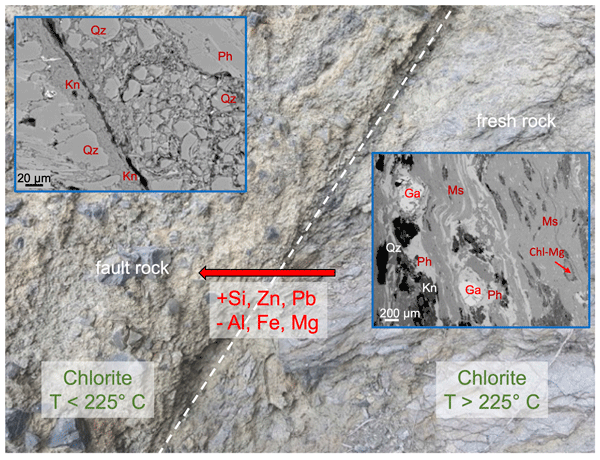
Retrograde crystallization of clay minerals in metamorphic rocks linked to fluid circulation related to fault activity
Eur. J. Mineral., 38, 263–280, 2026
20 May 2026
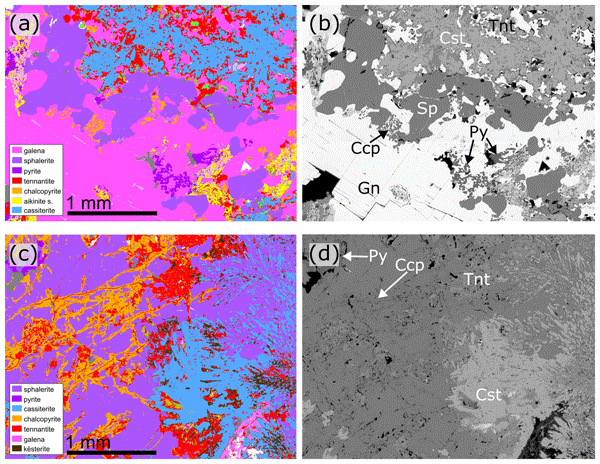
Mineralogy of sulfide mineralization from the world-class Li–Sn–W Cínovec greisen-type deposit, Bohemian Massif, Czech Republic
Eur. J. Mineral., 38, 281–304, 2026
22 May 2026
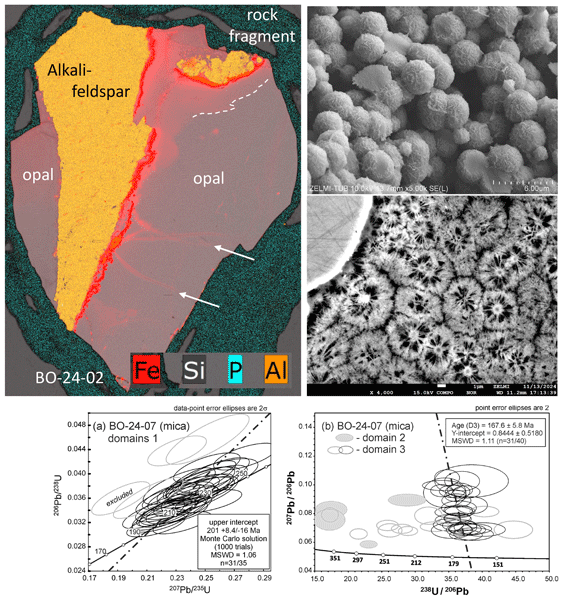
Formation of black opal in the pegmatites from Volyn (Ukraine) – an example for interaction of silica with organic matter
Eur. J. Mineral., 38, 305–324, 2026
11 Jun 2026
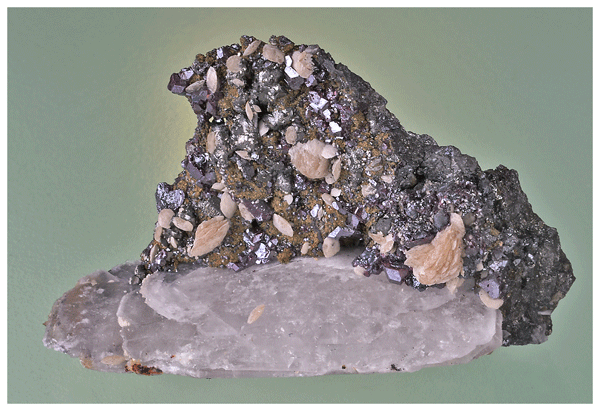
Argentotennantite-(Fe), Ag6(Cu4Fe2)As4S13, a new member of the tetrahedrite group from the San Genaro mine, Peru: occurrence and crystal structure
Eur. J. Mineral., 38, 325–336, 2026
19 Jun 2026
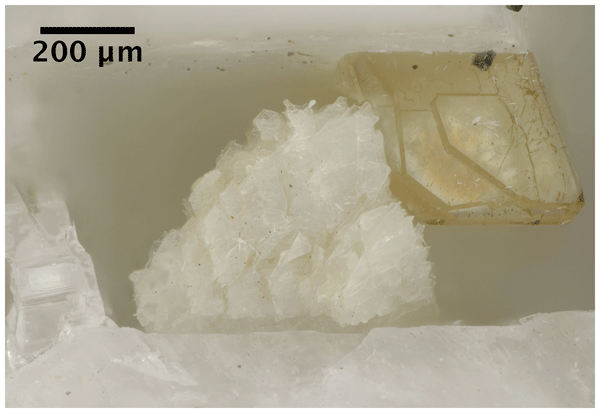
Piilonenite-(Nd), NaNd(CO3)2 ⋅ 3H2O, a new neodymium-dominant carbonate mineral from Mont Saint-Hilaire, Quebec, Canada
Eur. J. Mineral., 38, 337–345, 2026
19 Jun 2026
IMA Commission on New Minerals, Nomenclature and Classification (CNMNC) – Newsletter 91
Eur. J. Mineral., 38, 347–352, 2026
22 Jun 2026
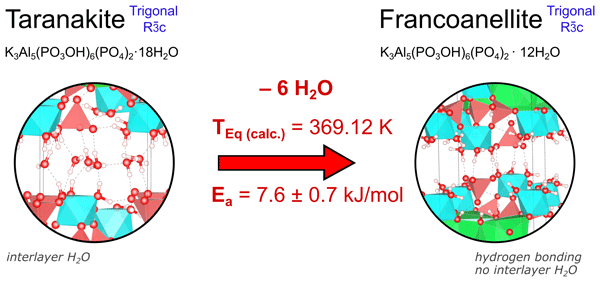
Dehydration reactions in guano-derived minerals: the taranakite-to-francoanellite transformation
Eur. J. Mineral., 38, 353–372, 2026